Blog
does ketamine therapy get you high
Feb
Does Ketamine Therapy Get You High? Separating Medicine from Misconception
If you’re considering ketamine therapy for depression, anxiety, or chronic pain, a common and understandable question arises: “Does ketamine therapy get you high?”
The short answer is more nuanced than a simple yes or no. While the experience involves an altered state of consciousness that shares some qualities with recreational intoxication, the context, intent, dosage, and outcome are profoundly different. As a chemist and advocate for responsible psychedelic medicine, I aim to clarify this critical distinction.
Let’s dissect the experience, the science, and why the “high” is not the goal—it’s a neurological side effect of a profound therapeutic process.

The Shared Molecule, Divergent Worlds
First, a foundational point: The ketamine molecule used in a clinical IV infusion is chemically identical to the illicit substance. The difference lies in set, setting, dose, and intention—the four pillars that separate therapy from recreation.
- Set (Mindset): In therapy, you enter with therapeutic intention, often with preparation from a clinician or therapist. You’re seeking healing, not escape.
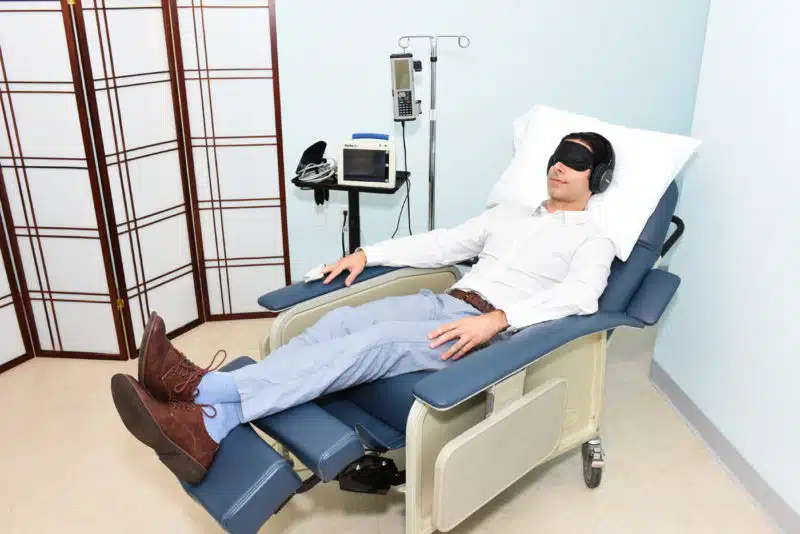
- Setting: You’re in a calm, clinical environment (a “clinical set and setting”) with medical monitoring, a comfortable chair, often an eye mask and curated music—not a chaotic social setting.
- Dose: Therapeutic doses are carefully calculated sub-anesthetic doses aimed at neuroplasticity, not total dissociation.
- Intention: The goal is lasting neurological change and psychological insight, not euphoria.
Understanding the “Dissociative” Experience in Therapy
During a ketamine therapy session, most patients experience a dissociative state. This is not a classic “high” like euphoric stimulation (cocaine) or serene inhibition (alcohol). It’s distinct.
Common sensations during therapeutic ketamine administration include:
- Altered Perception: Colors, sounds, and time may feel different. Music often feels immersive.
- Sense of Detachment: A feeling of separation from your immediate surroundings, thoughts, or even your physical body (“floating” sensation).
- Visual Phenomena: With eyes closed, many experience flowing patterns, abstract shapes, or symbolic imagery.
- Emotional Release: Access to emotions or memories with reduced associated fear or anxiety.
- Ego Softening: A temporary quieting of the default mode network (DMN)—the brain’s “self-critical narrator”—which allows for new perspectives.
This is not a guarantee of pleasure. Some sessions can feel challenging or emotionally intense as suppressed material surfaces. The therapeutic work often happens in integrating these experiences afterward, not in the “high” itself.
Ketamine’s Dual-Action: The “High” vs. The Healing
This is where the biochemistry explains the distinction.
- The Acute Effect (The “Trip”): The dissociative experience is caused by ketamine’s primary action as an NMDA receptor antagonist. This temporarily disrupts normal glutamate signaling, leading to the altered state. This effect lasts roughly 45-90 minutes.
- The Therapeutic Effect (The “Afterglow” & Repair): The lasting antidepressant and anti-anxiety effects come from the cascade of neurobiological events triggered by that initial disruption.
- It increases glutamate release, stimulating AMPA receptors.
- This activates pathways (like BDNF/mTOR) that promote synaptic growth and new neural connections—a process called synaptogenesis.
- It essentially “reboots” or “resets” hyperactive neural circuits linked to depression and rumination.
Crucially, the therapeutic neurological repair happens after the dissociative experience subsides and continues for days to weeks. The “high” is the temporary neurological event that kicks off the healing process. You are not healed because you got high; you got high because the medicine that induces healing also temporarily alters consciousness.
How Therapeutic Doses & Routes Minimize Recreational “High”
Clinics meticulously calibrate dosing to maximize therapeutic benefit while managing the dissociative experience.
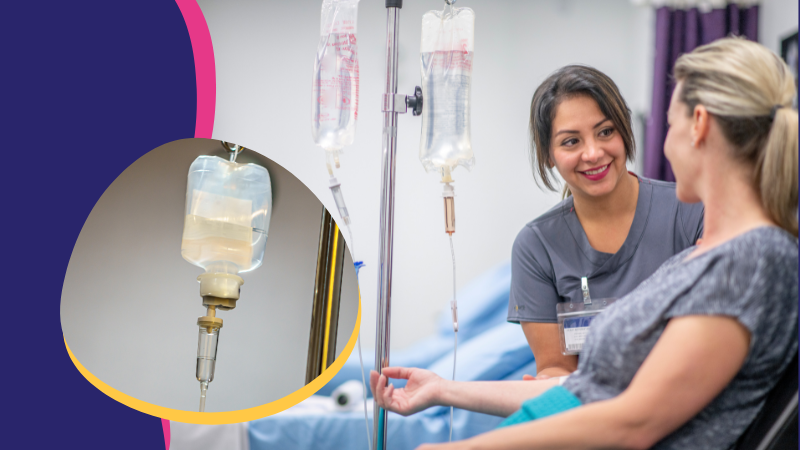
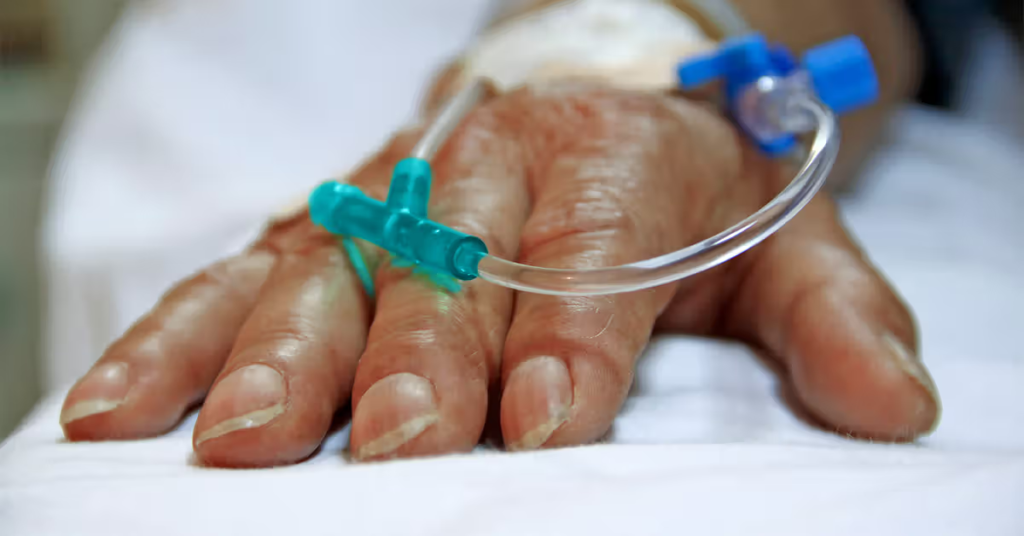
- IV Infusion: The gold standard allows precise “titration.” The dose is slowly adjusted to bring you to the edge of the dissociative window—the “sweet spot” for neuroplasticity—not beyond it into a fully anesthetic or intensely confusing state.
- Esketamine (Spravato®): The FDA-approved nasal spray is administered at a fixed dose in a clinic. Its effects are often described as less immersive than racemic ketamine infusions.
- At-Home Troches/Lozenges: These lower-dose, lower-bioavailability forms often produce a much milder altered state, sometimes just a sense of calm or slight detachment, especially when used for maintenance.
The focus is on sub-anesthetic dosing—enough to trigger the neurobiological cascade, not to induce a surgical state.
Patient Perspectives: It’s Often Not What You’d Expect
Many patients are surprised by their sessions. They don’t report a traditional “high.” Instead, they use terms like:
- “A journey inward.”
- “A deep, dreamlike meditation.”
- “A feeling of my brain ‘defragging’ like a computer hard drive.”
- “Emotional and psychological insight without the usual fear.”
- “Finally, a break from the constant negative chatter in my head.”
For those with severe depression, the immediate “afterglow” effect—a lifting of the emotional pain and fog—can feel more significant than the session itself. This isn’t a euphoric high; it’s the profound relief of a symptom lifting.
The Critical Role of Integration: Where the Real Work Happens
This is the most vital component that separates therapy from recreation. Integration is the process of making sense of the ketamine experience and applying insights to daily life.
- A recreational user seeks the high as the end goal.
- A therapy patient uses the altered state as a starting point. The real work happens in the days and weeks following, often with the help of a therapist, through journaling, and intentional lifestyle changes.
Without integration, the neurological “reset” may still occur, but the potential for lasting psychological change is significantly diminished.
Final Verdict: A Transcendent Side Effect, Not the Objective
So, does ketamine therapy get you high?
Yes, it induces a temporary, medically supervised altered state of consciousness. However, calling it a “high” misleadingly equates it with recreational drug use.
A more accurate description is that ketamine therapy involves a transient dissociative experience that is a known pharmacological side effect of a powerful neurobiological intervention.
The “high” is the vehicle, not the destination. The destination is neuroplasticity, symptom relief, and the opportunity for psychological healing. In the clinic, every aspect of the experience is designed not to chase a euphoric high, but to support a therapeutic journey that begins when the so-called “high” ends.
If you are considering ketamine therapy, discuss these experiences openly with your provider. A reputable clinic will prepare you thoroughly, ensure you feel safe and supported during the session, and provide resources for integration. This comprehensive approach transforms a potent pharmacological effect into a meaningful tool for healing.
Authored by Ketamine Chemist – Exploring the intersection of biochemistry, pharmacology, and compassionate care in modern mental health treatment.
does ketamine therapy get you high >> does ketamine therapy get you high >> does ketamine therapy get you high >> does ketamine therapy get you high >> does ketamine therapy get you high >> does ketamine therapy get you high >> does ketamine therapy get you high >> does ketamine therapy get you high >> does ketamine therapy get you high >> does ketamine therapy get you high
