
Blog
does ketamine show up on a 12 panel
Feb
Does ketamine show up on a 12 panel Drug Test? A Complete Breakdown
does ketamine show up on a 12 panel: Worried about ketamine and a 12-panel drug test? We explain exactly what’s tested, detection windows, and whether ketamine (K, Special K) will trigger a positive result.
If you’re facing a 12-panel drug screen—whether for employment, probation, or other reasons—and have concerns about ketamine, you’re right to seek clarity. Drug testing can be confusing, and misinformation is common.
The short, direct answer is: No, a standard 12-panel drug test does NOT typically screen for ketamine.
However, that’s just the starting point. Understanding why it’s not included, what is tested, and the critical exceptions to this rule is essential for complete peace of mind. Let’s dive into the specifics.
What is a 12-Panel Drug Test?
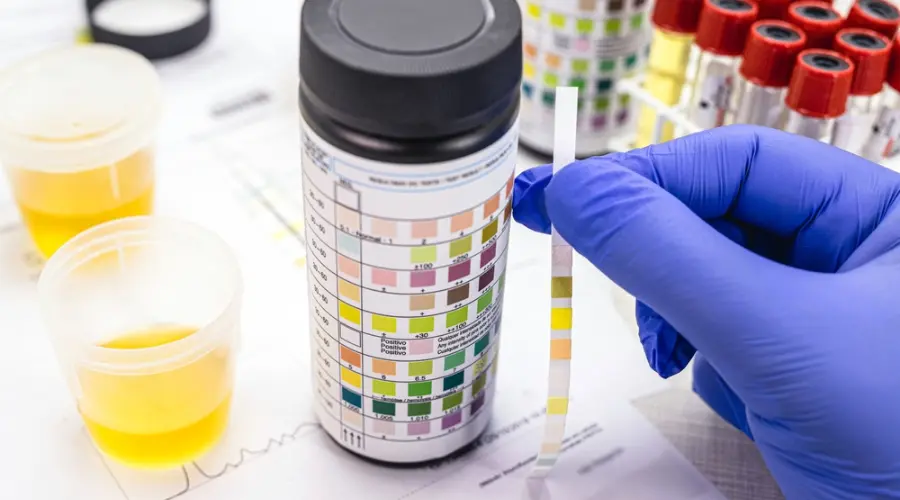
First, it’s helpful to know what you’re dealing with. A “panel” refers to a specific drug or drug class the test checks for. A 12-panel test is a comprehensive screening that looks for 12 of the most commonly abused substances.
The Standard 12 Panels Almost Always Include:
- Marijuana (THC)
- Cocaine
- Opiates (like heroin, codeine, morphine)
- Amphetamines (including methamphetamine)
- Phencyclidine (PCP)
- Benzodiazepines (like Xanax, Valium)
- Barbiturates
- Methadone
- Propoxyphene
- Ecstasy (MDMA/MDA)
- Oxycodone
- Tricyclic Antidepressants (less common in modern panels, sometimes replaced)
Noticeably absent? Ketamine, LSD, psilocybin (mushrooms), and many prescription medications. These require specialized, add-on tests.
Why Isn’t Ketamine on a Standard 12-Panel Test?
Ketamine’s absence isn’t an oversight. It’s due to practical and economic factors:
- Cost vs. Prevalence: Drug testing is a business. Labs and employers choose panels based on the most commonly abused substances in a given population or industry. While ketamine abuse exists, it is far less common in the general workforce than marijuana, cocaine, or opioids.
- Specialized Screening: Ketamine requires a specific immunoassay test to detect it. It does not cross-react with the PCP panel (a common misconception), as they are chemically distinct. Adding it increases the cost of the test.
- Clinical Use: Ketamine is a legitimate, FDA-approved anesthetic and a breakthrough therapy for depression (Spravato®). Its medical use makes blanket screening more complicated.
The Critical Exceptions: When Ketamine WILL Be Tested For
You cannot assume ketamine is always safe. Specific situations trigger specialized testing:
- Certain Professions: Aviation (FAA), military, and some high-security government positions may use expanded panels that include ketamine.
- Pain Management & Substance Abuse Programs: If you are in a pain clinic or a substance abuse treatment program where ketamine misuse is a concern, they may specifically add it to your panel.
- “Custom” or Extended Panels: A company or court can order any custom panel they wish. A 16-panel or 20-panel test often includes ketamine. Common add-ons besides ketamine include fentanyl, synthetic cannabinoids (K2/Spice), and synthetic cathinones (bath salts).
- If There is Specific Suspicion: If an employer or probation officer has reason to suspect ketamine use, they can explicitly request a test for it.
The Bottom Line: Always verify the exact test being administered. You have the right to ask what substances are included in your screening.
If They Do Test for Ketamine: Detection Windows
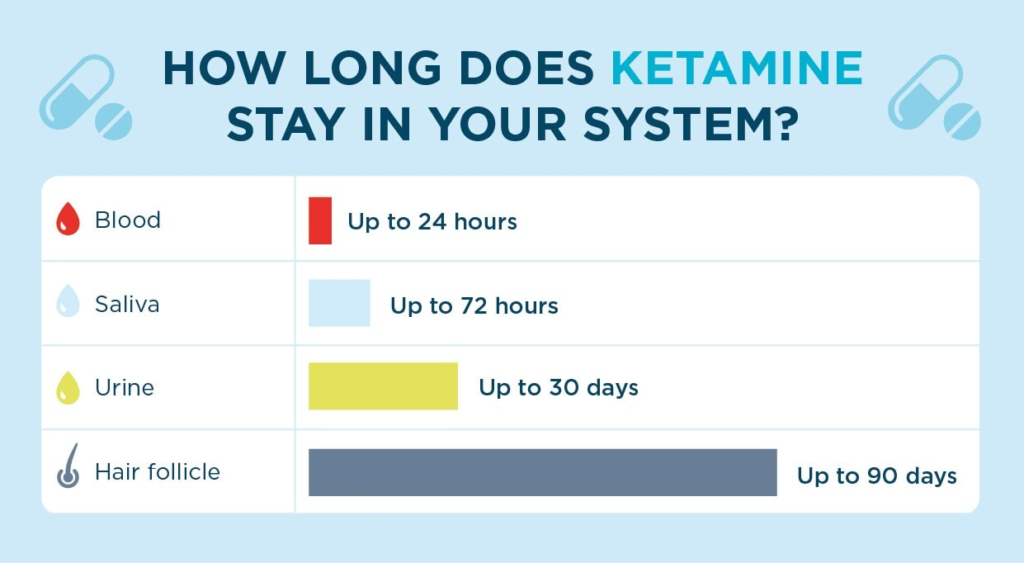
If you are subject to a test that includes ketamine, understanding detection times is crucial. These are approximate and vary widely based on individual factors.
- Urine Test (Most Common):
- Single Use: Detectable for 2-4 days.
- Chronic/Heavy Use: May be detectable for up to 7-14 days after last dose.
- Blood Test: Ketamine has a short half-life. Detectable for 24-48 hours.
- Saliva Test: A short window, typically 24-72 hours.
- Hair Follicle Test: The longest detection window. Ketamine can be detected in hair for up to 90 days (or longer, depending on hair length).
Factors Affecting Detection Time:
- Dose and Frequency: Higher doses and more frequent use extend detection time.
- Metabolism: Individuals with faster metabolisms clear the drug more quickly.
- Body Fat & Hydration: Ketamine is moderately lipophilic (fat-soluble).
- Age, Liver, and Kidney Function: Impaired function slows elimination.
- Route of Administration: IV/IM use may be processed differently than intranasal or oral.
Does Prescription Ketamine (Spravato® or Troches) Cause a Positive?
This is a vital distinction.
- On a Standard 12-Panel: No. It will not cause a positive for any other panel (like PCP).
- On a Test That Screens for Ketamine:Yes. A medical prescription does NOT make you test negative. The test detects the ketamine molecule itself, not the intent behind its use.
- What to Do: If you are legally prescribed ketamine (e.g., Spravato® for depression or ketamine troches from a clinic), you must provide documentation before the test. Provide your prescription information and your prescribing doctor’s contact details to the medical review officer (MRO) who oversees the test results. This will result in a verified negative result.
Never assume the lab will figure it out. Proactive disclosure with proof is your responsibility.
Common Myths Debunked
❌ “Ketamine will make me test positive for PCP.”
FALSE. While both are dissociative anesthetics, their chemical structures are different enough that standard drug test immunoassays do not cross-react. This is a persistent myth.
❌ “A 12-panel test checks for everything.”
FALSE. No standard test checks for “everything.” It checks for a specific, pre-determined list of substances.
❌ “Detox drinks will flush ketamine out.”
UNRELIABLE. Most “detox” products are diuretics that dilute your urine, which labs can easily detect (leading to a “dilute specimen” flag and a likely retest). They do not magically remove drug metabolites.
What Should You Do Before a Test?
- ASK. If possible, ask the administrator or your employer/PO for the specific test form or list of panels. You can say, “To ensure there are no issues, can you tell me which substances are on the panel?”
- DISCLOSE. If you have a valid prescription for any medication, including ketamine, have your pharmacy print a copy of your prescription history or a note from your doctor ready to present.
- DO NOT GUESS. Assuming “it’s probably not on there” is a major risk if you are in a zero-tolerance program.
Final, Clear Answer
For the vast majority of people taking a standard 12-panel urine test—the kind used for most jobs, standard probation, or athletics—ketamine will not be detected, and you will not test positive for it.
However, you must be aware of the exceptions. When in doubt, verify, disclose prescriptions, and always prioritize your legal and professional well-being by getting the facts upfront.
does ketamine show up on a 12 panel >> does ketamine show up on a 12 panel >> does ketamine show up on a 12 panel >> does ketamine show up on a 12 panel >> does ketamine show up on a 12 panel >> does ketamine show up on a 12 panel >> does ketamine show up on a 12 panel >> does ketamine show up on a 12 panel >> does ketamine show up on a 12 panel >> does ketamine show up on a 12 panel >> does ketamine show up on a 12 panel >> does ketamine show up on a 12 panel >> does ketamine show up on a 12 panel >> does ketamine show up on a 12 panel >> does ketamine show up on a 12 panel >> does ketamine show up on a 12 panel >> does ketamine show up on a 12 panel >> does ketamine show up on a 12 panel >> does ketamine show up on a 12 panel >> does ketamine show up on a 12 panel >> does ketamine show up on a 12 panel >> does ketamine show up on a 12 panel >> does ketamine show up on a 12 panel >> does ketamine show up on a 12 panel >> does ketamine show up on a 12 panel
