Blog
Buy Ketamine Netherlands
Feb
hinking about ketamine for depression treatment? It’s a topic that’s been getting a lot of attention lately. Originally used for anesthesia, it turns out ketamine has some pretty interesting effects on mood. We’re going to break down what it is, how it works, and what you need to know, especially if you’re looking into options like buying ketamine in the Netherlands. It’s not a simple fix, but for some people, it’s been a real game-changer. Let’s get into it.
Recommended products
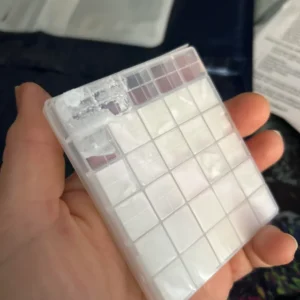
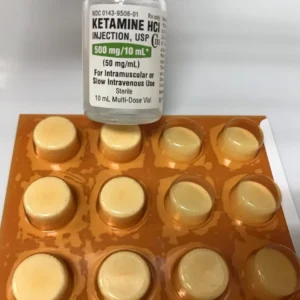
Ketamine Crystal
Price range: $120.00 through $1,050.00Ketamine Nasal Spray
Price range: $150.00 through $875.00
Ketamine Lozenges
Price range: $130.00 through $4,500.00Ketamine Tablets
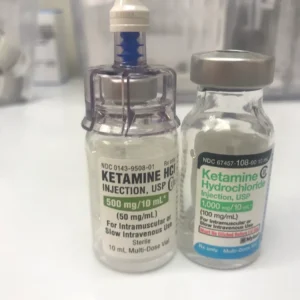
Price range: $130.00 through $500.00Liquid Ketamine
Price range: $225.00 through $840.00Ketamine Shards
Price range: $120.00 through $1,050.00Ketamine Troches
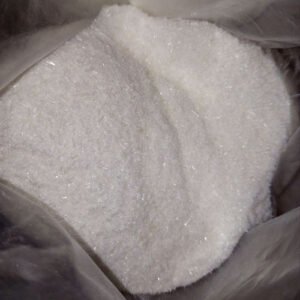
Price range: $145.00 through $4,500.00Ketamine Powder Ketamine Chemist
Price range: $120.00 through $1,050.00
Key Takeaways
- Ketamine, initially an anesthetic, is now recognized for its quick effects on depression, especially when other treatments haven’t worked.
- It works by affecting brain chemicals like glutamate, which can help build new connections in the brain.
- Different ways to take ketamine exist, such as through IV drips or nasal sprays, with ongoing research into their effectiveness.
- While generally safe for short-term use under medical supervision, ketamine can have side effects and interact with other drugs.
- If you’re interested in where to Buy Ketamine Netherlands, it’s important to understand the legalities and ensure you’re getting a quality product from a reputable source.
Understanding Ketamine For Depression Treatment
Ketamine’s Role in Psychiatric Practice
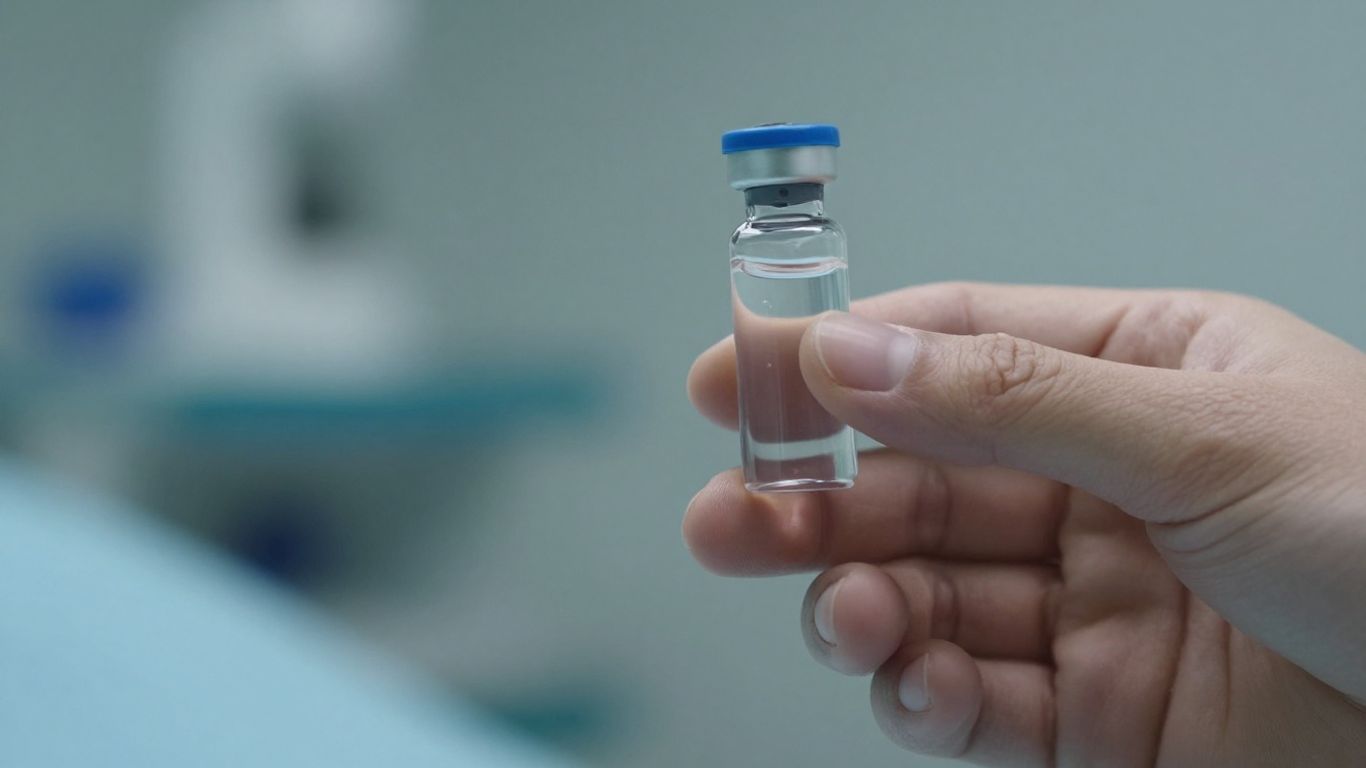
Ketamine, originally developed as an anesthetic, has found a new life in treating mental health conditions, particularly depression. It’s not your everyday antidepressant; it works differently and often much faster. For a long time, doctors have been looking for better ways to help people with severe depression that doesn’t get better with standard treatments. That’s where ketamine comes in. It’s become a significant option, especially for those who haven’t found relief from other medications.
Mechanism of Action and Neuroplasticity
So, how does ketamine actually work? It’s a bit complex, but the main idea is that it affects certain receptors in the brain, specifically the NMDA receptors. By blocking these, it seems to kickstart a chain reaction that leads to the release of glutamate, a key neurotransmitter. This, in turn, is thought to promote the growth of new connections between brain cells, a process called neuroplasticity. Think of it like clearing out old, tangled pathways and building new, more efficient ones. This rebuilding is believed to be what helps lift depressive symptoms so quickly.
Rapid Antidepressant Effects
One of the most striking things about ketamine is how fast it can work. Unlike traditional antidepressants that can take weeks to show results, many people experience a noticeable improvement in their mood within hours or days of receiving ketamine treatment. This rapid effect is a game-changer, especially for individuals in severe distress or experiencing suicidal thoughts. It offers a much-needed lifeline when other options have failed.
Here’s a quick look at what makes ketamine different:
- Speed of Action: Effects can be seen within hours to days.
- Targeted Receptors: Primarily works on NMDA receptors.
- Neuroplasticity: Promotes the growth of new neural connections.
- Treatment Resistance: Often used when other treatments haven’t worked.
While ketamine offers a promising new avenue for depression treatment, it’s important to remember it’s typically administered in a controlled medical setting. The focus is on its ability to quickly reset brain pathways that may be contributing to persistent depressive states.
Exploring Ketamine Administration Methods
When it comes to using ketamine for mental health, how it’s given really matters. Different methods have different speeds of action and can affect how much of the drug gets into your system. It’s not a one-size-fits-all situation, and what works best can depend on the individual and the specific condition being treated.
Intravenous Ketamine Therapy
This is probably the most well-known method, especially for treatment-resistant depression. With IV therapy, a healthcare professional slowly infuses ketamine directly into your bloodstream over a period of time, usually around 40 minutes to an hour. This direct route allows for rapid absorption and a quick onset of effects, which is a big deal when you’re looking for fast relief from severe depression or suicidal thoughts. The dosage is carefully controlled, and you’re monitored the whole time. It’s a pretty controlled environment, which is good for safety.
Intranasal Esketamine Approvals
Esketamine, which is a specific part of the ketamine molecule, has been approved in a nasal spray form. This is a significant development because it offers a more accessible option. The spray is administered into the nose, and the medication is absorbed through the nasal passages. This method bypasses the digestive system, leading to quicker absorption than oral methods. Studies have shown that intranasal esketamine can provide rapid antidepressant effects, sometimes within hours. It’s important to note that this is a prescription medication, and its use is often tied to specific treatment protocols, like those for treatment-resistant depression. You can find more information on intranasal administration.
Other Administration Routes
Beyond IV and nasal sprays, other ways to take ketamine exist, though they might be less common or still under investigation for widespread psychiatric use. These can include:
- Sublingual: Placed under the tongue, where it’s absorbed into the bloodstream.
- Intramuscular: Injected into a muscle, similar to some vaccines.
- Oral: Taken by mouth, though bioavailability can be an issue due to how the body processes it.
Each of these routes has its own profile regarding how quickly it works, how much of the drug is absorbed, and potential side effects. For instance, oral ketamine often has lower bioavailability, meaning less of the active drug reaches the brain compared to IV or nasal routes. The choice of method is usually made in consultation with a medical professional, considering factors like patient preference, medical history, and the desired speed of therapeutic action.
The way ketamine is administered plays a huge role in its effectiveness and how quickly a person feels better. It’s a complex area with ongoing research to find the best and safest ways to use this powerful compound for mental health conditions.
Scientific Research on Ketamine Therapies
Studies on Ketamine and Mood Improvement
Lots of research has gone into how ketamine affects mood, especially for people with depression that hasn’t gotten better with other treatments. Early studies, like the one from Berman and colleagues back in 2000, showed that ketamine could have a rapid antidepressant effect. This was a big deal because, for a long time, depression treatments took weeks or months to show results. Ketamine seemed to work much faster, sometimes within days.
More recent studies have looked at different ways to give ketamine and how long the effects last. For instance, a study involving patients with treatment-resistant depression found that intravenous ketamine, given in a controlled setting, led to significant mood improvements. The speed at which these improvements occur is one of ketamine’s most remarkable features.
Here’s a quick look at some findings:
- Rapid Onset: Many studies report noticeable mood lifts within 24-72 hours of treatment.
- Treatment-Resistant Depression (TRD): Ketamine has shown promise where other antidepressants have failed.
- Sustained Effects: While initial effects are fast, research is ongoing to understand how to maintain these benefits long-term.
The way ketamine interacts with brain chemicals, particularly glutamate, seems to be key to its antidepressant action. It’s thought to help the brain form new connections, a process called neuroplasticity, which can help reset mood circuits.
Combination Therapies for Enhanced Effects
Sometimes, ketamine isn’t used alone. Researchers are exploring how combining ketamine with other therapies might lead to even better results. This could include psychotherapy, transcranial magnetic stimulation (TMS), or neurofeedback.
One study looked at patients who received ketamine infusions along with other treatments like rTMS or neurofeedback. They found that the group getting the combination therapy often saw better mood improvements compared to those who only received ketamine. It suggests that while ketamine can be effective on its own, pairing it with other approaches might offer a more robust treatment.
Long-Term Efficacy of Ketamine
Figuring out how long ketamine’s benefits last is a major focus of ongoing research. While the initial antidepressant effects can be quite fast, maintaining those improvements over months or years is the next challenge. Some studies have followed patients for extended periods, and the results are mixed but generally hopeful.
For example, a study tracking patients for about 30 months found that many continued to experience better moods compared to before treatment. However, it also highlighted that combining ketamine with other therapies might lead to more lasting positive changes. The field is still evolving, and more large-scale, long-term studies are needed to fully understand ketamine’s lasting impact and how to best manage its use over time. It’s a complex area, and finding the right approach for each individual is key.
Ketamine’s Chemical Properties and Forms
Ketamine vs. Esketamine
Ketamine itself is actually a mix of two mirror-image molecules, called enantiomers. Think of them like your left and right hands – similar but not quite the same. This mix is known as a racemic mixture, and in ketamine’s case, it’s called RS-ketamine. It contains equal parts of R-ketamine and S-ketamine. Esketamine is the specific name for the S-enantiomer. Early on, researchers found that esketamine seemed to be more potent, especially for its anesthetic and analgesic effects, and potentially had fewer side effects like drowsiness compared to the R-enantiomer or the full racemic mix. This is why much of the focus for depression treatment has shifted towards esketamine.
Chemical Composition and Solubility
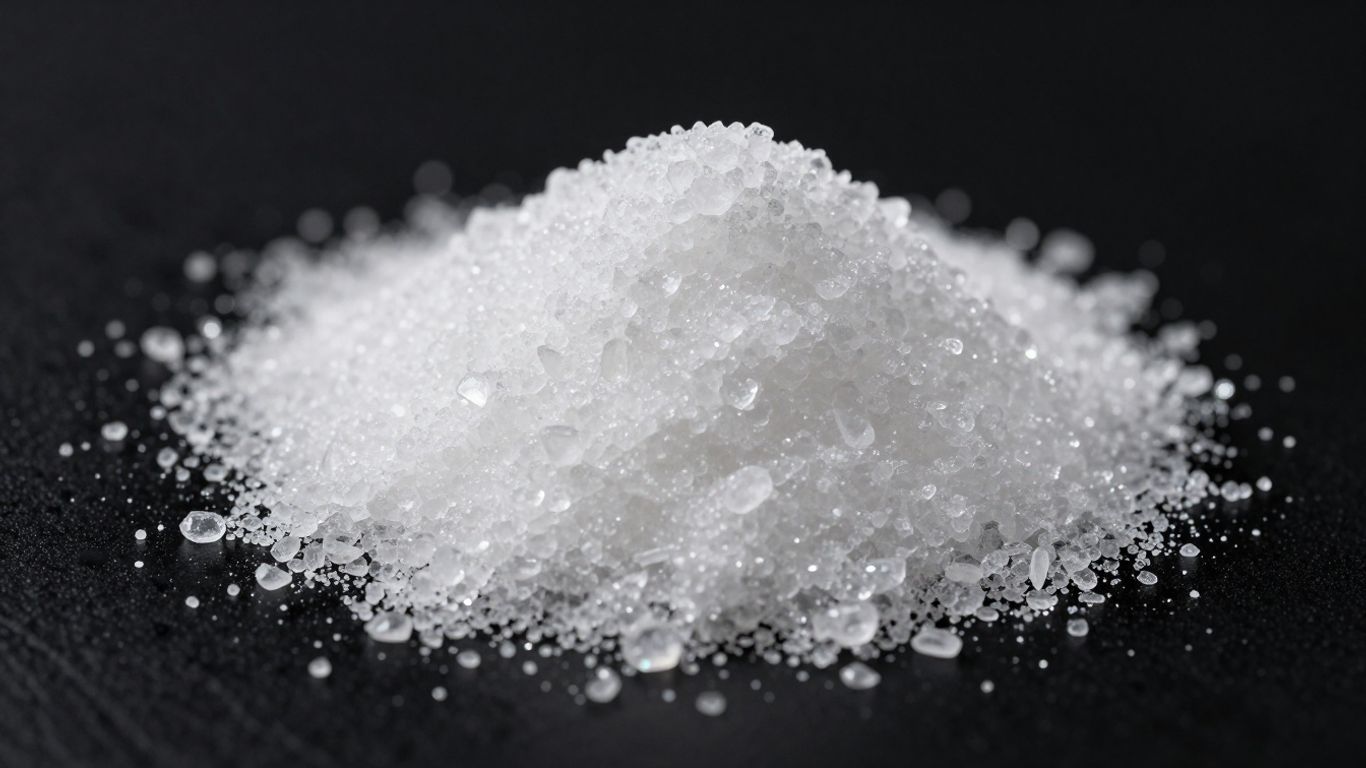
Esketamine hydrochloride, the form often used in treatments, has a specific chemical makeup. Its formula is C13H16ClNO.HCl, and it has a molecular weight of about 274.2 grams per mole. It typically appears as a white or off-white crystalline powder. When it comes to dissolving it, esketamine hydrochloride is quite soluble in water and methanol, and it also dissolves in ethanol. This solubility is pretty important for how it can be prepared and administered in different forms, like solutions for infusions or nasal sprays.
Esketamine Hydrochloride Details
Esketamine hydrochloride is the official name for the S-enantiomer of ketamine when it’s in its salt form, ready for medical use. It’s sometimes referred to by its developmental code name or as S(+)-ketamine. The way it works in the brain isn’t fully understood, but it’s thought to involve blocking certain receptors, specifically NMDA receptors. This action is believed to kickstart a chain reaction that helps nerve cells grow and form new connections, which is thought to be key to its rapid antidepressant effects. It doesn’t seem to work through the usual pathways that affect mood, like serotonin or dopamine.
- Mechanism of Action: Primarily acts as an NMDA receptor antagonist.
- Solubility: Freely soluble in water and methanol.
- Appearance: White or almost white crystalline powder.
While ketamine was first developed as an anesthetic, its unique way of interacting with brain chemistry has opened up new avenues for treating conditions like depression. The focus on esketamine highlights how understanding the specific properties of different forms of a drug can lead to more targeted and potentially more effective treatments.
Safety and Considerations for Ketamine Use
Potential Side Effects of Ketamine
When you’re thinking about ketamine treatment, it’s important to know about the possible side effects. Most of them are pretty temporary and tend to go away on their own. You might feel dizzy or a bit disconnected from reality, which is often called dissociation. Some people experience nausea, and others might feel tired. It’s rare, but some individuals can have temporary increases in blood pressure or heart rate.
Contraindications and Precautions
There are certain situations where ketamine might not be the best choice. If you have uncontrolled high blood pressure or serious heart issues, your doctor will likely want to be extra careful or suggest an alternative. People with a history of psychosis or those who struggle with substance abuse might also need closer monitoring or might not be suitable candidates. It’s also generally not recommended for pregnant women. Always have an open chat with your healthcare provider about your full medical history before starting any treatment.
Drug Interactions to Monitor
Ketamine can interact with other medications, so it’s a big deal to let your doctor know everything you’re taking. For instance, certain sedatives like benzodiazepines might increase the sedative effects of ketamine. It’s also wise to discuss any other prescriptions or even over-the-counter drugs you’re using. Your doctor needs this info to make sure your treatment is as safe as possible. They’ll help you understand the risks and how to manage them, especially if you’re looking into ketamine therapy options.
It’s really about finding the right balance. While ketamine shows promise, especially for tough-to-treat depression, it’s not a magic bullet. Careful medical supervision is key to managing potential side effects and interactions, making sure the benefits outweigh any risks for your specific situation.
Buy Ketamine Netherlands: Your Options
Sourcing Ketamine Legally in the Netherlands
Getting ketamine in the Netherlands, especially for therapeutic purposes, is a pretty specific process. It’s not something you can just pick up at the local pharmacy without a prescription. The Dutch government has regulations in place to control access to substances like ketamine, mainly because of its medical uses and potential for misuse. If you’re looking into ketamine for depression treatment, the most legitimate route involves working with healthcare professionals. They can assess your situation and, if appropriate, prescribe it. This usually means getting a referral to a specialist clinic or hospital that offers ketamine therapy. They’ll handle all the legal aspects and make sure you’re getting a safe, regulated product.
Online Availability for Purchase
When it comes to buying ketamine online in the Netherlands, things get a bit murky. While you might find websites claiming to sell it, it’s really important to be cautious. Legitimate online pharmacies operating within the EU will require a valid prescription. If a site doesn’t ask for one, or if it seems too easy to get, it’s a big red flag. You could be looking at counterfeit products, or worse, something that’s not even ketamine. For medical use, sticking to official channels is the only way to go. If you’re curious about purchasing it for research or other non-medical reasons, the legal landscape is even more complex and generally not advised for individuals.
Ensuring Quality and Authenticity
How do you know if what you’re getting is the real deal? When you go through official medical channels in the Netherlands, quality control is pretty much built-in. The ketamine will come from licensed manufacturers and will be administered in a controlled environment. If you’re considering any other source, it’s a gamble. There’s no easy way to verify the purity or dosage of ketamine bought through unofficial means. This can lead to unexpected side effects or a lack of the intended therapeutic effect. It’s really about your health and safety, so being sure about the source is key. For medical applications, this means working with your doctor and their approved suppliers.
Wrapping Up
So, if you’re in the Netherlands and looking into ketamine options, Keta-mine.com seems to be a place people are talking about. It’s good to know there are resources out there, especially with how much research is coming out about ketamine’s potential for different mental health issues. Just remember to do your homework and make sure whatever you choose feels right for you. It’s always smart to talk to a doctor too, you know, to make sure it fits with your situation. Good luck out there.
Frequently Asked Questions
What is ketamine and how does it help with depression?
Ketamine is a medicine that was first used to help people sleep during surgery. But scientists found out it can also help people who feel very sad or depressed, especially when other treatments haven’t worked. It works differently than most depression medicines by affecting certain pathways in the brain, helping to make new connections between brain cells. This can lead to feeling better much faster than with regular antidepressants.
How is ketamine given to patients?
Ketamine can be given in a few ways. The most common method for depression treatment is through an IV, where it’s slowly given into a vein. There’s also a nasal spray form, called esketamine, which is approved for certain types of depression. Sometimes, it might be given as a shot or even as a lozenge you dissolve under your tongue, though these are less common for depression treatment.
Is ketamine safe to use?
When used by trained medical professionals in a controlled setting, ketamine is generally considered safe for treating depression. However, like all medicines, it can have side effects. These are usually temporary and might include feeling dizzy, seeing things that aren’t there, or feeling a bit confused. It’s important to talk to your doctor about your health history to make sure it’s the right choice for you.
What’s the difference between ketamine and esketamine?
Ketamine is actually a mix of two similar drugs, like a pair of twins. Esketamine is just one of those twins, specifically the ‘S’ twin. Doctors sometimes use esketamine because it seems to be more effective for depression and is approved in a nasal spray form. Think of ketamine as the whole pair, and esketamine as one specific part of that pair.
How quickly can ketamine help with depression?
One of the amazing things about ketamine is how fast it can work. While many depression medicines take weeks to start helping, people often notice a difference in their mood within hours or a few days after getting ketamine treatment. This quick effect is especially helpful for people who are feeling very down or having thoughts of harming themselves.
Can I buy ketamine online in the Netherlands?
In the Netherlands, like in many countries, ketamine is a prescription medicine. This means you can only get it legally if a doctor prescribes it for you, usually for specific medical reasons. Buying medicines like ketamine online without a prescription can be risky because you don’t know if it’s real, safe, or the right dose. It’s always best to talk to a healthcare professional about treatment options.
Table of Contents
Buy Ketamine Netherlands >> Buy Ketamine Netherlands >> Buy Ketamine Netherlands >> Buy Ketamine Netherlands >> Buy Ketamine Netherlands >> Buy Ketamine Netherlands >> Buy Ketamine Netherlands >> Buy Ketamine Netherlands >> Buy Ketamine Netherlands >> Buy Ketamine Netherlands >> Buy Ketamine Netherlands >> Buy Ketamine Netherlands >> Buy Ketamine Netherlands >> Buy Ketamine Netherlands >> Buy Ketamine Netherlands >> Buy Ketamine Netherlands >> Buy Ketamine Netherlands >> Buy Ketamine Netherlands >> Buy Ketamine Netherlands >> Buy Ketamine Netherlands >> Buy Ketamine Netherlands >> Buy Ketamine Netherlands >> Buy Ketamine Netherlands >> Buy Ketamine Netherlands >> Buy Ketamine Netherlands >> Buy Ketamine Netherlands >> Buy Ketamine Netherlands >> Buy Ketamine Netherlands >> Buy Ketamine Netherlands >> Buy Ketamine Netherlands >> Buy Ketamine Netherlands >> Buy Ketamine Netherlands >> Buy Ketamine Netherlands >> Buy Ketamine Netherlands >> Buy Ketamine Netherlands >> Buy Ketamine Netherlands >> Buy Ketamine Netherlands >> Buy Ketamine Netherlands >> Buy Ketamine Netherlands >> Buy Ketamine Netherlands >> Buy Ketamine Netherlands >> Buy Ketamine Netherlands >> Buy Ketamine Netherlands
